
Tools for Community Self-Empowerment
Uncovering proven methods to build strength, trust, and resilience—together.
Introduction: Rising Beyond Survival
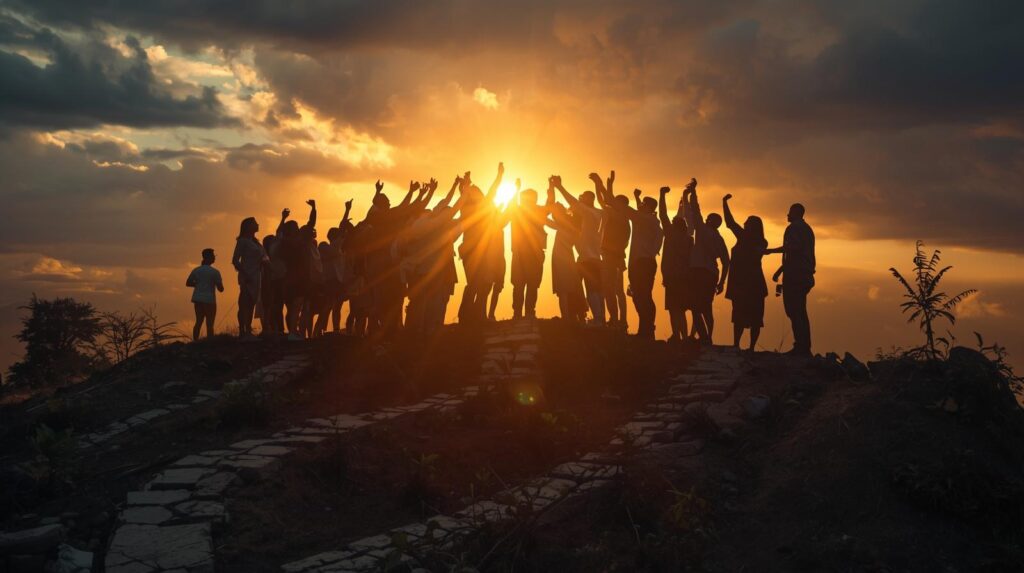
For generations, communities across the world have been conditioned to operate in a state of mere survival—bracing against instability, scarcity, and systemic pressure. Yet survival is not the pinnacle of human existence; it is the baseline. The true aspiration is thriving: a collective movement from endurance to empowerment.
This shift demands more than individual resilience. It requires communities to cultivate shared strength—an evolving consciousness that challenges fragmentation, restores trust, and redefines what it means to live with agency. In an era shaped by global uncertainty, economic volatility, and technological acceleration, the question is no longer How do we survive? but How do we rise together?
The Anatomy of Survival: Understanding the Struggle
Survival is not accidental; it is engineered. Historical inequities, economic systems, and social hierarchies have conditioned many communities to expect less, accept less, and fight for scraps within structures never designed for their flourishing.
How Systems Train Communities to Survive, Not Thrive
Legacies of segregation, redlining, disenfranchisement, and resource deprivation shape expectations across generations. These structures create a psychological environment in which scarcity becomes the norm and self-protection becomes a survival tactic.
The Psychology of Scarcity and Its Impact on Trust
Scarcity induces tunnel vision—limiting long-term planning and collapsing cooperative behavior. When people perceive resources as limited, suspicion grows, competition intensifies, and communal unity fractures. Trust weakens under the weight of perceived risk, and cooperation becomes a privilege rather than a practice.
Understanding survival’s architecture is the first step toward dismantling it.
The Turning Point: Reclaiming Power Through Awareness
Awareness is liberation’s ignition point. When individuals and communities identify the internalized beliefs and external pressures shaping their behavior, the possibility of change multiplies.
Identifying Internal and External Barriers
Internal barriers include inherited fear, self-doubt, historical trauma, and unconsciously adopted narratives about one’s worth. External barriers encompass economic disparities, institutional bias, and political disenfranchisement. Naming these forces transforms them from invisible constraints into addressable realities.
Consciousness as a Catalyst for Identity Renewal
As awareness deepens, communities rediscover their identity—not as fragmented individuals but as interconnected agents of change. Collective consciousness reframes the story from victimhood to self-determination, enabling communities to imagine new structures, new possibilities, and new futures.
Trust as the Foundation: Building Bonds That Last
Trust is the social infrastructure of thriving societies. Without it, cooperation collapses; with it, communities unlock exponential potential.

Transparency, Shared Goals, and Open Communication
When communication is honest, information flows freely and misunderstandings dissolve. Shared goals align effort, and transparency strengthens confidence in leadership and process. Trust grows in environments where people feel seen, heard, and valued.
Communities Rebuilt Through Dialogue and Inclusion
Examples abound: neighborhoods revitalized through participatory budgeting, youth-led councils restoring trust between policymakers and residents, and intergenerational dialogues healing divides. These cases reveal that when dialogue is prioritized, communities rebuild themselves from within.
Tools for Collective Empowerment: Practical Pathways to Change
Empowerment requires actionable tools—frameworks that transform intention into measurable progress.
Grassroots Organizing and Skill-Sharing
Grassroots efforts amplify local knowledge and mobilize overlooked talent. Skill-sharing networks democratize expertise, enabling neighbors to teach neighbors in cycles of empowerment that bypass traditional gatekeepers.
Technology, Open-Source Collaboration, and Community Education
From open-source mapping initiatives to collaborative digital toolkits, communities can now co-create solutions at scale. Technology becomes a force multiplier, not a replacement for human connection.
Strength in Unity: Redefining Power Through Cooperation
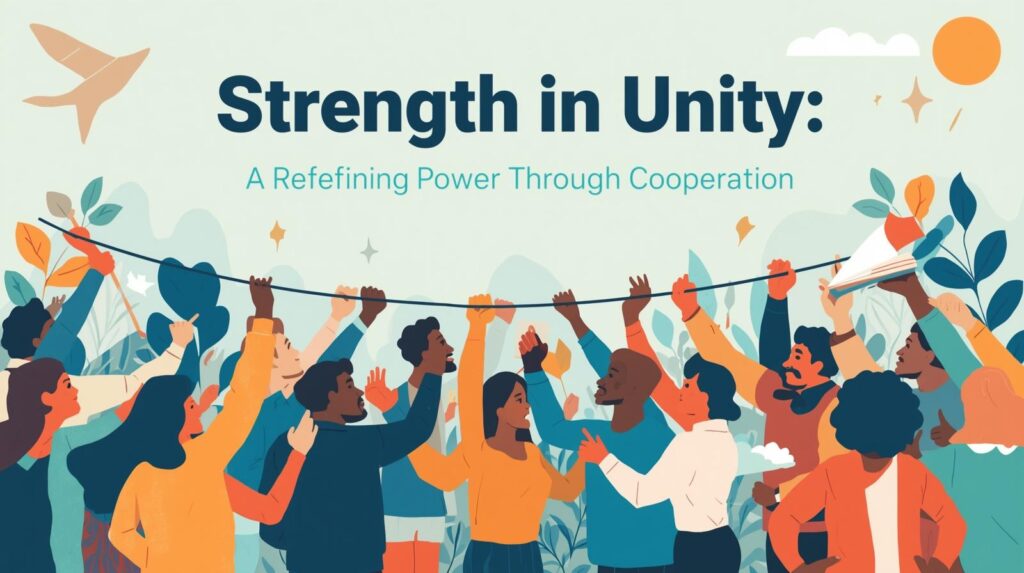
Power expands when shared. True community empowerment emerges from united effort rather than isolated struggle.
Mutual Aid and Collective Problem-Solving
Mutual aid networks dismantle scarcity mindsets by demonstrating that a community’s strength lies in its ability to support itself. These networks create resilience where formal systems fail.
Balancing Individuality and Shared Responsibility
Unity does not require uniformity. Thriving communities honor personal identity while promoting shared responsibility, ensuring that collective progress never erases individual dignity.

Healing Historical Wounds: The Role of Forgiveness and Restoration
Communities cannot move forward without addressing the emotional and historical fractures that linger beneath the surface.
Dialogue as a Tool for Healing Generational Trauma
Open forums, restorative circles, and historical truth-telling help transform pain into understanding. When silence breaks, healing begins.
Cultural and Spiritual Practices as Anchors of Cohesion
Rituals, ceremonies, and cultural storytelling reconnect communities to their heritage. These practices restore identity and strengthen bonds across generations.

Resilience Architecture: Designing Systems That Endure
Thriving communities are not accidental—they are architected.
Sustainable Development Infused with Social Wellness
Urban gardens, community-owned power grids, and wellness-centered design integrate physical, economic, and emotional resilience.
Self-Sustaining Economic Models for Local Independence
Worker cooperatives, microfinance ecosystems, and local entrepreneurship reduce dependency on external forces and build internal stability.

Leadership Reimagined: From Hierarchy to Harmony
Thriving communities demand leadership that elevates rather than dominates.
Servant Leadership as a Transformative Model
Servant leaders prioritize listening, humility, and empowerment. They cultivate environments where people feel supported to innovate and participate.
Collaborative Decision-Making for Shared Ownership
Consensus-driven systems ensure decisions reflect the needs and values of the entire community. Shared leadership disperses power, making systems more resilient and inclusive.
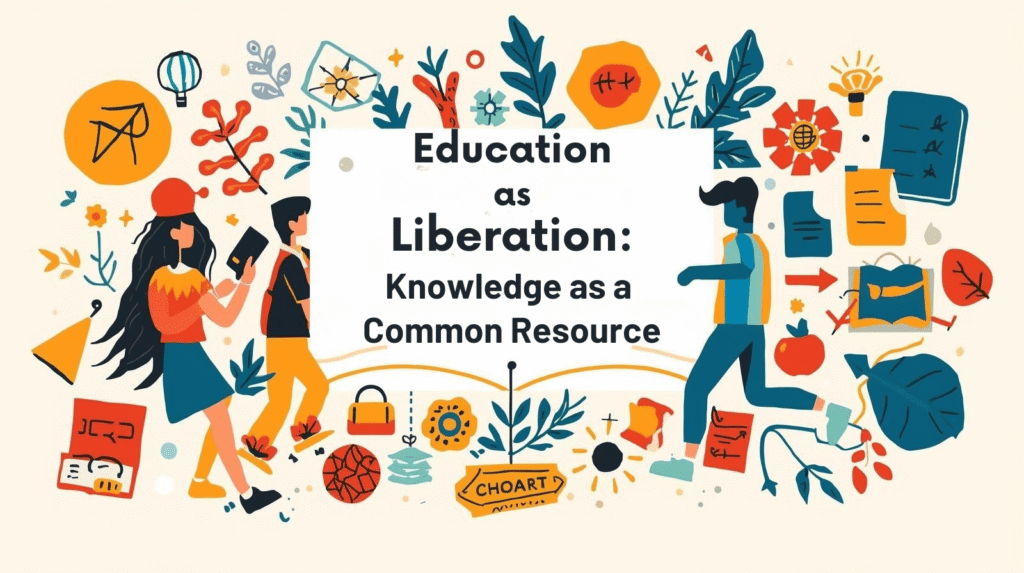
Education as Liberation: Knowledge as a Common Resource
Knowledge is the cornerstone of empowerment.
Learning Hubs, Mentorship, and Peer-to-Peer Systems
Community learning hubs provide free or low-cost access to education. Peer mentorship strengthens generational bridges and unlocks hidden potential.
Youth as Innovators and Agents of Change
Young people are not passive recipients—they are creators, designers, strategists. Their imagination is an underutilized asset in community transformation.
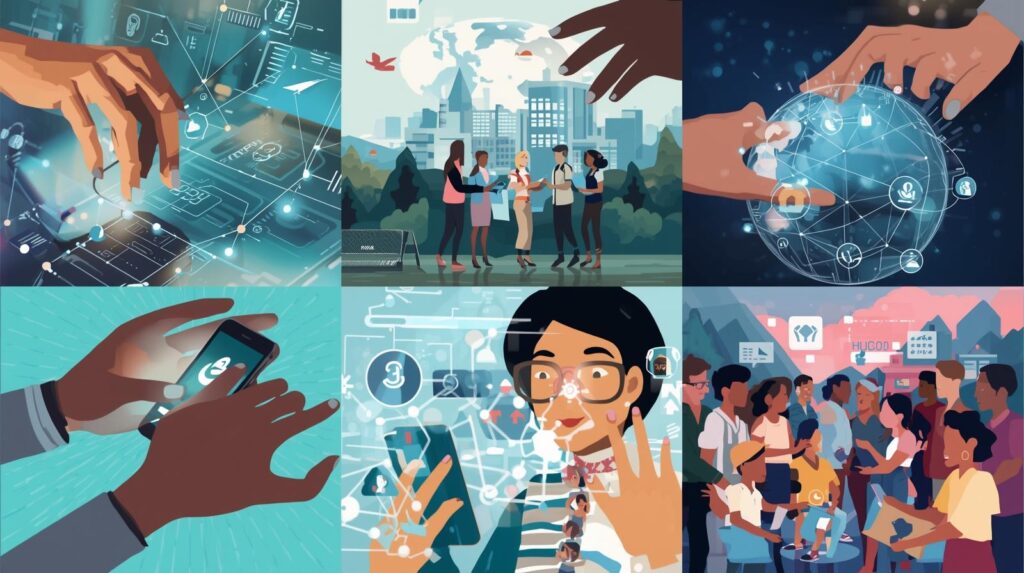
Technology for Empowerment: Digital Tools for Real-World Impact
Technology is not neutral; it can empower or exploit. When guided by ethical intent, it becomes a catalyst for civic renewal.
Responsible Use of Data, Apps, and AI
Digital platforms can streamline communication, increase transparency, and strengthen civic participation. Responsible design ensures communities are protected rather than manipulated.
Bridging Digital Divides
Equitable access to technology ensures that empowerment is not reserved for the privileged. Broadband equity, device access, and digital literacy are modern civil rights.
/
From Local to Global: Scaling Empowerment Movements
Local victories can inspire global transformation.
Expanding Local Models into Global Frameworks
When community innovations are documented and shared, they become replicable models for other regions.
Aligning Empowerment with Global Sustainability Goals
Climate resilience, inclusive economies, and cultural preservation intersect naturally with the movement toward thriving communities worldwide.

The Path Forward—Thriving Together
Communities rise when individuals choose unity over division, empowerment over resignation, and collaboration over competition. The journey from surviving to thriving is neither linear nor effortless—but it is possible, practical, and profoundly transformative.
The tools exist. The strategies are proven.
What remains is the collective will to act.
Thriving begins the moment a community recognizes its own power—and decides to use it to build a new way of life.