

A Briefing on the Transformation of Education and Workforce Development Through Technology
Executive Summary
Technology, particularly artificial intelligence (AI) and immersive realities like virtual reality (VR), is catalyzing a fundamental transformation in education and workforce development. This shift presents a dual reality: it unlocks unprecedented opportunities for personalized, efficient, and scalable learning, yet simultaneously introduces significant risks, including the exacerbation of socioeconomic inequalities, algorithmic bias, privacy violations, and potential deskilling. The imperative for this transformation is driven by global megatrends such as digitalization and automation, which are creating vast skills gaps and making the continuous upskilling and reskilling of the workforce a critical necessity for economic stability and growth.
The integration of these technologies demands a complete re-evaluation of established paradigms. Success metrics in online learning, such as Massive Open Online Course (MOOC) completion rates, are being redefined to more accurately reflect learner engagement and intent, moving beyond flawed traditional calculations. New pedagogical models, particularly blended learning approaches that combine technology with human interaction, are proving most effective. Concurrently, new frameworks are emerging to address the global readiness gap, such as the World Bank's "4Cs" model—Connectivity, Compute, Context, and Competency—which outlines the essential foundations for any nation to participate in the AI-driven economy.
The central conclusion is that strategic, intentional, and ethical implementation is paramount. Navigating this new landscape requires a multi-faceted approach: redesigning curricula to include AI literacy and critical thinking; investing in foundational digital and energy infrastructure; providing robust training for educators and corporate trainers to leverage these new tools effectively; and establishing clear, forward-thinking policies to mitigate risks. Success will depend on balancing technological innovation with human-centered strategies to ensure that the benefits of this technological revolution are distributed equitably.
Skills Gaps in a Digital Age
1. The Imperative for Transformation: Skills Gaps in a Digital Age
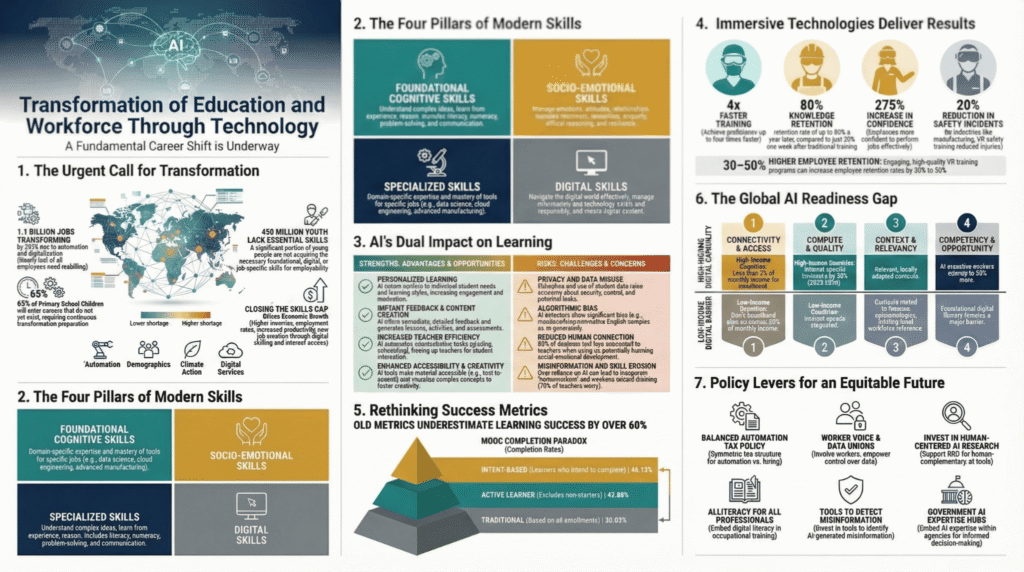
Global megatrends—including automation, digitalization of services, climate action, and shifting labor force demographics—are fundamentally altering the nature of work and the demands for specific skills. According to the World Bank, these forces are set to transform over 1.1 billion jobs in the next decade, creating an urgent need for education and workforce development systems to proactively adapt. The failure to do so has resulted in significant skills gaps, which act as a primary constraint to jobs-rich economic growth, particularly in low- and middle-income countries (LMICs).
Key Statistics Highlighting the Skills Crisis:
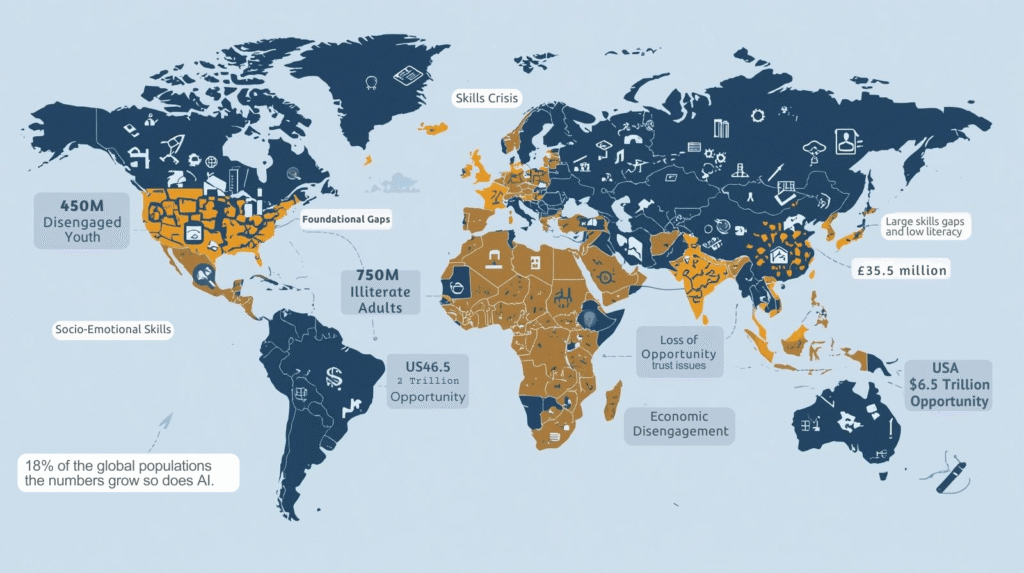
- Economic Disengagement: Approximately 450 million young people, representing 7 out of 10, are economically disengaged due to a lack of adequate skills to succeed in the labor market.
- Foundational Gaps: An estimated 750 million people aged 15 and over (18% of the global population) report being unable to read and write. Furthermore, over 2.1 billion adults require remedial education for basic literacy, numeracy, and socio-emotional skills.
- Business Constraints: About 23% of firms globally cite workforce skills as a significant constraint to their operations. This figure rises dramatically to between 40% and 60% in some African and Latin American countries.
- Economic Opportunity: The global economy could gain an estimated US$6.5 trillion in the next seven years by closing existing skills gaps. Despite this, most countries invest less than 0.5% of their GDP in adult lifelong learning.
To succeed in the 21st-century labor market, individuals require a comprehensive and adaptable skill set. The World Bank categorizes these necessary competencies into four domains:
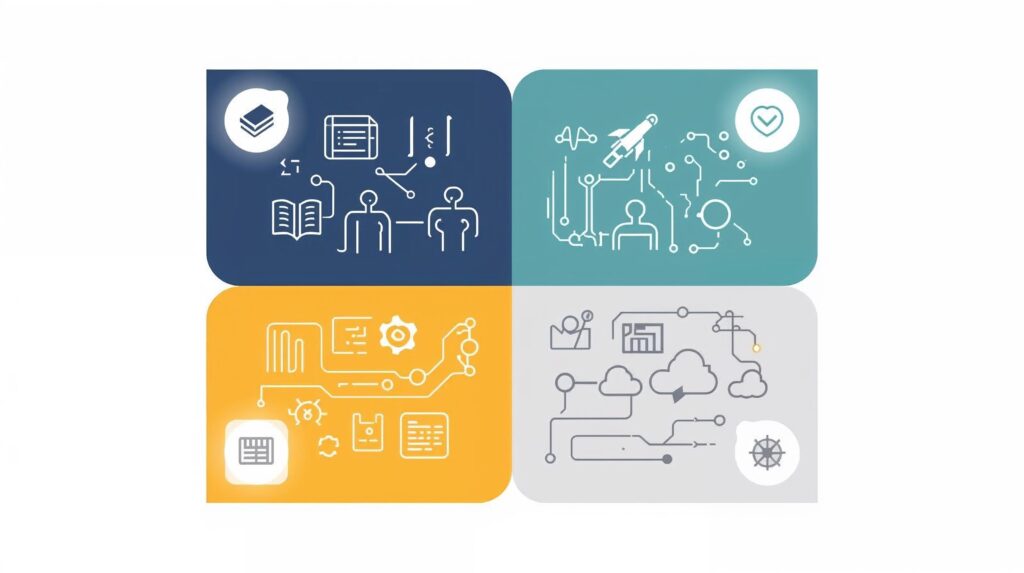
- Foundational and Higher-Order Skills: Cognitive abilities including literacy, numeracy, critical thinking, problem-solving, and informational analysis.
- Socio-Emotional Skills: The ability to manage relationships, emotions, and attitudes, encompassing leadership, teamwork, self-control, and grit.
- Specialized Skills: Acquired knowledge and expertise needed to perform specific tasks, including technical proficiency with required materials, tools, or technologies.
- Digital Skills: A cross-cutting competency that involves the ability to safely and appropriately access, manage, understand, communicate, evaluate, and create information using technology.
Addressing these gaps requires tackling key systemic issues related to the access, adaptability, quality, relevance, and efficiency of skills development programs.
2. Artificial Intelligence in Education: A Paradigm Shift with Profound Challenges
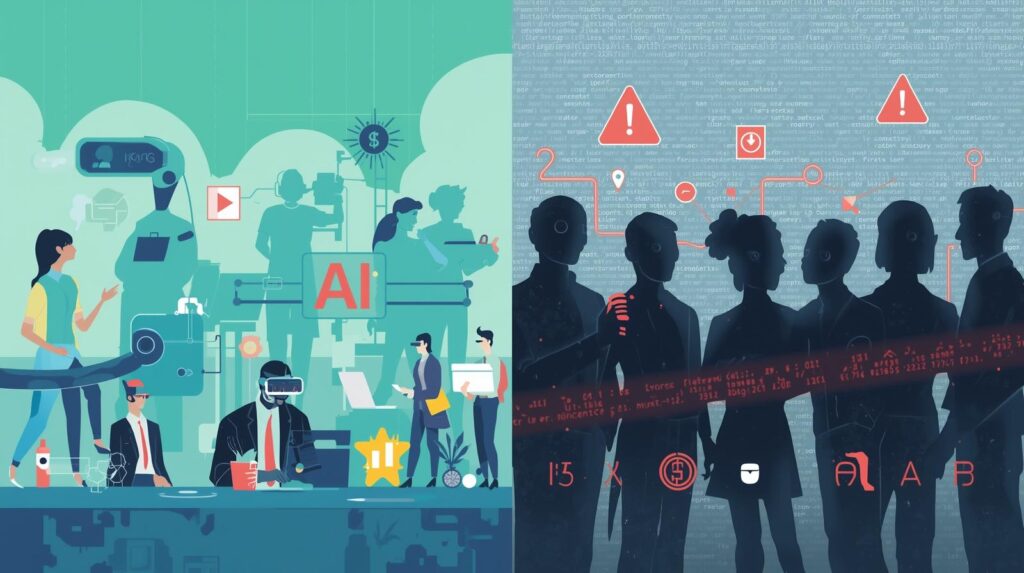
Generative AI has become a powerful and disruptive force in education, from K-12 classrooms to university lecture halls. Its adoption is accelerating, bringing a host of advantages alongside significant challenges that demand careful management and policy-making.
The Dual Impact of AI in K-12 and Higher Education
AI offers the potential to create more personalized and efficient learning environments but also introduces risks related to ethics, equity, and student well-being.

| Advantages of AI in Education | Challenges and Limitations of AI in Education |
| Personalized Learning: AI can tailor content to individual student needs and learning styles based on performance analytics. | Privacy & Security: The collection of vast amounts of student data raises major concerns about cybersecurity, data breaches, and potential misuse or surveillance. |
| Immediate Feedback: AI tools can offer students instantaneous and detailed feedback on their work, enhancing understanding and learning outcomes. | Algorithmic Bias: AI systems can perpetuate and amplify existing biases. Studies show significant bias in GPT models against non-native English speakers. |
| Inspiring Creativity: AI can be used to generate new ideas, stimulate image creation, and offer multiple perspectives to foster student creativity. | Reduced Human Interaction: Over-reliance on AI may diminish crucial teacher-student and peer-to-peer relationships. Half of the students surveyed report feeling less connected to teachers when using AI. |
| Efficiency for Educators: AI can automate administrative tasks such as lesson planning, summarizing materials, and grading, freeing up teachers' time. | High Implementation Costs: Costs can range from $25 per month for simple tools to tens of thousands of dollars for adaptive learning systems, creating an equity gap for underserved schools. |
| Fostering Critical Thinking: The presence of AI necessitates classroom discussions on ethics, critical evaluation of information, and the nature of intelligence itself. | Inaccurate Information: AI models can "hallucinate" or generate biased and incorrect information, making it essential to teach students how to evaluate content critically. |
The adoption of these tools reveals a significant gap between student and instructor usage. A 2023 national survey by Tyton Partners found that 27% of students are regular users of generative AI, compared to just 9% of instructors. Critically, 71% of instructors have never tried AI tools, indicating a major hurdle for effective and guided implementation in the classroom.

The Need for a Curricular Revolution
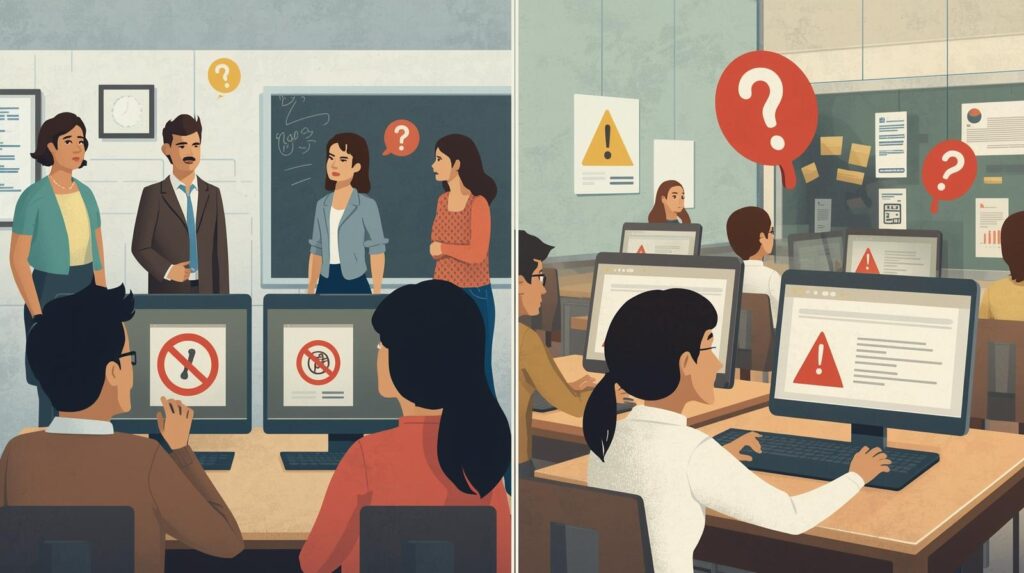
Experts argue that the rise of AI demands more than just new usage policies; it requires a fundamental rethinking of curricula. Banning AI is seen as a limited and ultimately futile approach. Instead, a more forward-thinking strategy involves a "curricular revolution" to redefine necessary skills.
“Technology is a game-changer for education... a big fear with AI in particular is that we just get more efficient at teaching badly. This is a moment to pay attention, to do things differently.” — Dan Schwartz, Dean of Stanford Graduate School of Education
This revolution entails:
- Developing AI Literacy: Students must be taught how generative AI tools function, including their statistical nature and limitations, rather than anthropomorphizing them as "thinking" machines.
- Prioritizing Critical Skills: Like the calculator, which did not eliminate the need for mathematical reasoning, AI does not eliminate the need for strong writing, research, and critical thinking skills. Curricula must emphasize fact-checking, evaluating AI-generated content, and organizing ideas effectively.
- Decolonizing the Curriculum: In post-colonial contexts such as South Africa, curriculum reform must also focus on decolonization. This involves integrating local languages, cultural identities, and Indigenous knowledge systems to ensure that education is relevant to students' lived experiences. Technology should be infused in a way that enhances, rather than erases, these local contexts.
The Training Deficit
Despite the rapid adoption of AI by students, there is a severe lack of formal training for both students and educators. A report from the Center for Democracy and Technology found that while 85% of teachers and 86% of students used AI in the 2024-25 school year, less than half received any training or information about it from their schools.
Key Training Gaps:
- For Teachers: Less than a third of teachers received guidance on how to use AI tools effectively (29%), what AI is (25%), or how to monitor AI systems (17%).
- For Students: Few students received guidance on school AI policies (22%), the risks of using AI (17%), or a basic understanding of what AI is and how it works (12%).
This deficit leaves both groups unprepared to navigate the complexities of AI, hindering its potential benefits and amplifying its risks.
3. AI and Immersive Technologies in Corporate and Workforce Training

In the corporate and public workforce sectors, technology is being deployed to address the skills gap with increasingly sophisticated tools. The focus is on creating learning experiences that are more effective, engaging, and aligned with the specific needs of employers and learners.
Technology-Based Learning (TBL) Models and Effectiveness
A U.S. Department of Labor review defines Technology-Based Learning (TBL) as a continuum of interventions, and rigorous studies have shown that effectiveness varies significantly across different models.
- Technology-Only (Asynchronous): This model, which includes standard self-paced online courses, shows the most mixed results, with impacts on learning outcomes ranging from negative to positive. A lack of live interaction is a key limitation.
- Technology-Only (Synchronous): Interventions like live webinars are more likely to be as effective as traditional classroom instruction but can be associated with lower learner satisfaction and motivation.
- Blended/Hybrid Models: These interventions, which combine technology-based resources with traditional face-to-face instruction, are the most consistently effective. They are likely to be as effective as, or more effective than, traditional methods alone. The research consistently points to learner interaction—with instructors, peers, and content—as a critical factor for success.
Emerging trends in TBL are focused on enhancing individualization and engagement through adaptive learning systems, intelligent tutoring (e.g., DARPA's Digital Tutor), gamification, and immersive simulations.
AI-Powered Corporate Learning & Development (L&D)
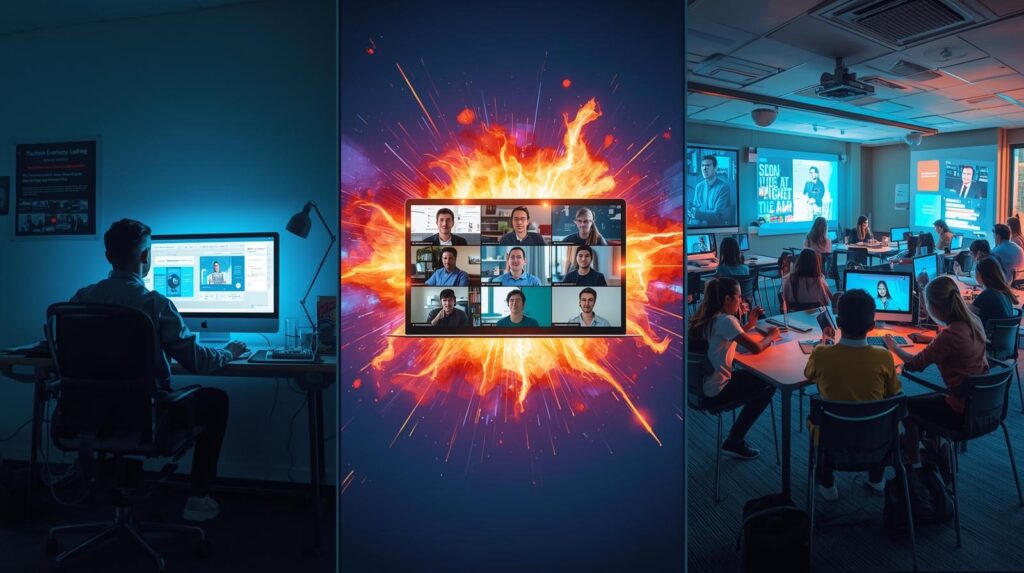
AI is revolutionizing corporate L&D by enabling hyper-personalized, scalable, and efficient training. By integrating machine learning and predictive analytics, companies are transforming how they assess competencies and deliver training.
Key Impacts and Data:
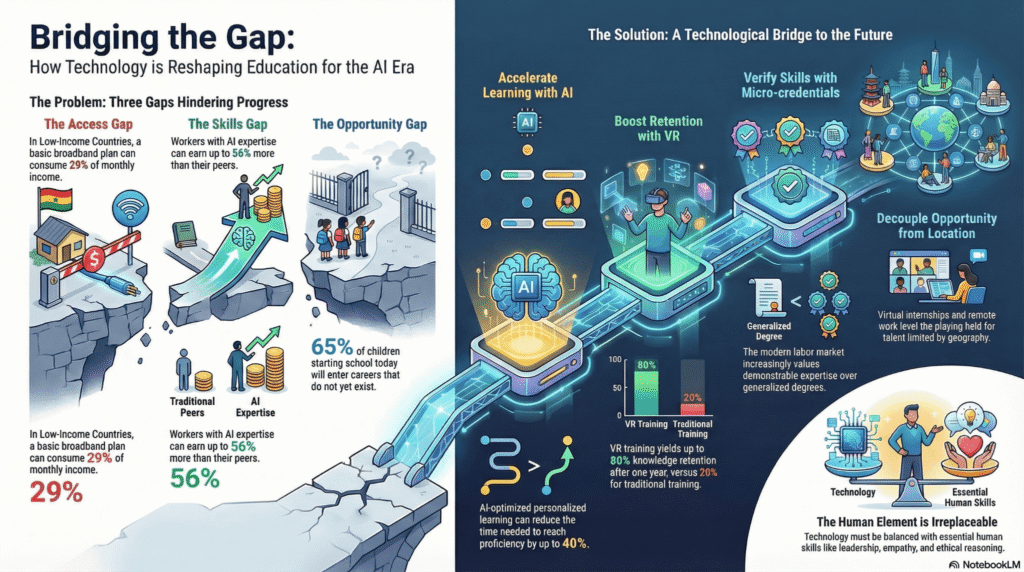
- Personalized Pathways: AI analyzes employee performance data to create customized learning paths, reducing time-to-proficiency by up to 40%.
- Efficiency Gains: Case studies from technology, retail, and healthcare sectors show 15-30% improvements in training efficiency.
- Improved Performance: Firms using AI-driven continuous learning approaches report 57% superior problem-solving capabilities and 42% fewer performance errors.
Corporate Case Studies:
- Accenture: Its AI-powered LearnVantage platform demonstrated a 32% higher rate of skill acquisition and a 47% lower time-to-proficiency compared to traditional systems.
- Unilever: Implemented an AI-powered internal talent marketplace to match employee profiles with new roles and learning opportunities.
- Pharmaceutical Sector: Companies like Pfizer, AstraZeneca, and Lilly use AI to address regulatory complexity and rapid scientific change, investing in ongoing technical resources to maintain data integrity and security.
However, challenges remain, including user resistance to new technologies, a perceived lack of emotional engagement in AI-driven training, and significant concerns around data privacy and algorithmic bias.
The ROI of Virtual Reality (VR) and Augmented Reality (AR)
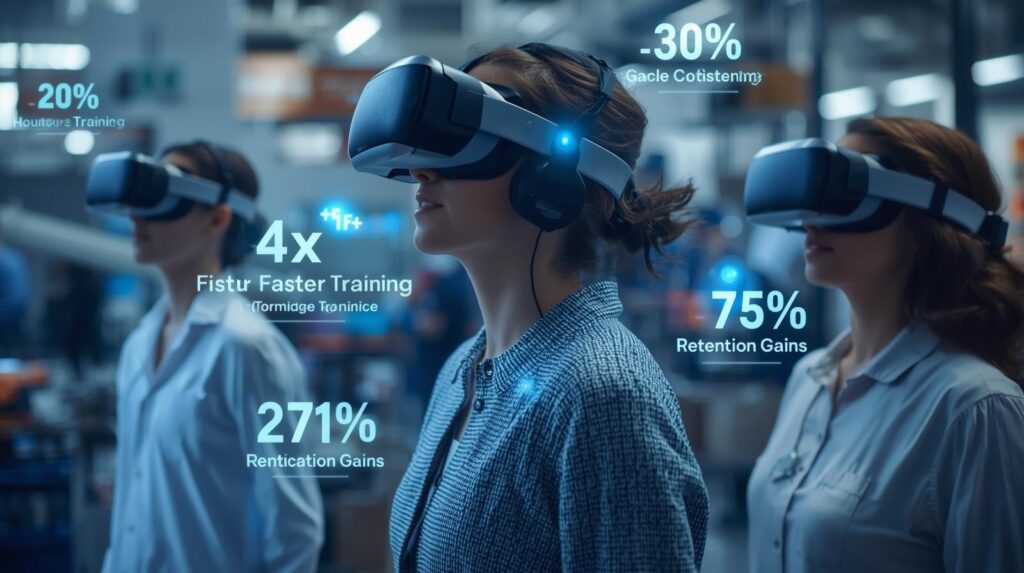
VR and AR, collectively known as mixed reality (XR), are emerging as highly effective tools for job training, offering a strong return on investment (ROI). By providing immersive, hands-on simulations in a risk-free environment, VR training significantly boosts productivity, safety, and employee retention.
Quantifiable Benefits of VR Training: | Metric | Impact | Source | | :--- | :--- | :--- | | Training Speed | Up to 4 times faster than in-person training and 1.5 times faster than e-learning. | PwC | | Knowledge Retention | Up to 80% retention rate one year after training, compared to 20% for traditional methods. | Oberon Technologies | | Employee Confidence | 275% increase in confidence after training. | SHRM | | Employee Retention | 30% to 50% increase in employee retention rates. | SHRM | | Safety | Over a 20% reduction in injuries and illnesses. | Tyson Foods | | First-Time Quality | 90% increase in first-time quality in employee training. | Boeing |
Expanding Industry Applications: VR training is no longer confined to niche sectors. It is being widely adopted in:
- Healthcare: Simulating surgeries and complex medical procedures.
- Manufacturing & Construction: Training on machinery operations and safety protocols.
- Retail: Walmart uses VR to train employees on customer service and operational procedures.
- Utilities: Training on the maintenance and repair of critical infrastructure like electrical grids.
- Law Enforcement: Police de-escalation training in realistic, high-pressure scenarios.
Beyond training, VR headsets are versatile tools that can serve as virtual workspaces, enhance remote collaboration, and support employee well-being through gamified social activities.
4. Rethinking Success Metrics: The Case of MOOCs
Massive Open Online Courses (MOOCs) have faced significant criticism for their perceived low completion rates. However, research indicates that the traditional metric used to measure their success is fundamentally flawed and presents an overly pessimistic view.
A comparative study of four MOOCs on the Bilge İş MOOC Portal demonstrates that how completion is measured dramatically alters the outcome. The study compared three different perspectives:




- Traditional Completion Rate: The number of completers divided by the total number of initial enrollments. This metric is misleading because it includes a large group of "no-show" learners who register but never access any course materials. Studies show that up to 52% of registrants never start a course.
- Active Learner Completion Rate: The number of completers divided by the number of "active learners" (i.e., those who registered and engaged with course materials at least once). This provides a more realistic assessment of success among participants who actually began the course.
- Learner Intention Completion Rate: The number of completers divided by the number of learners who explicitly stated their intention to complete the course and earn a certificate. This is arguably the most accurate metric, as it accounts for the diverse goals of MOOC participants, many of whom enroll simply to audit or browse specific content.
Comparative Completion Rates from the Study:
| Metric | Overall Completion Rate |
| Traditional (Based on Enrolled Learners) | 30.02% |
| Active Learners (Based on Starters) | 43.08% |
| Learner Intentions | 48.13% |
These findings show a striking disparity, with intention-based rates significantly exceeding traditional calculations. This underscores the critical importance of contextualizing MOOC data. While student dropout remains a prevalent issue, particularly in developing countries, the problem is not as severe as portrayed by studies relying solely on traditional metrics.

5. The Global Divide and Policy Imperatives
The advancement of AI is not uniform across the globe. A stark divide exists between high-income countries (HICs), which dominate AI innovation and adoption, and low- and middle-income countries (LICs and MICs), which risk being left behind. Addressing this gap requires strategic investment and proactive policymaking.
The 4Cs Framework and the AI Readiness Gap
The World Bank's Digital Progress and Trends Report 2025 highlights a deep global AI divide and proposes the "4Cs" framework as the essential foundation for AI readiness.
The 4Cs of AI Foundations:
- Connectivity: Reliable and affordable broadband, sustainable energy, and device access. Gap: One-third of the global population remains offline, and a 5GB broadband plan consumes 29% of monthly income in LICs versus less than 3% in HICs.
- Compute: Affordable access to high-performance computing, including AI chips, servers, and cloud services. Gap: HICs host 86% of the world's top 500 supercomputing systems and command 97% of their total capacity.
- Context: High-quality, diverse, and locally relevant data and content for training AI models. Gap: English dominates online content, accounting for 45% of global URLs and 98% of scientific papers, creating a "data desert" for other languages and cultures.
- Competency: An AI-skilled workforce and technical talent. Gap: Over 70% of AI-related job postings are concentrated in HICs.
While HICs account for 85% of AI start-ups and 91% of venture capital funding, a promising path for developing nations is the adoption of "small AI"—specialized models that perform narrow tasks, require minimal data and power, and can run on consumer-grade devices. This offers a pragmatic, affordable way to build local capacity. Prioritizing the 4Cs is a "no-regret" investment strategy for all nations to foster digital transformation and prevent the exacerbation of global inequality.
Policy Recommendations for an Equitable Future
Current regulatory frameworks in the EU, US, and UK are not sufficient to address the profound socioeconomic challenges posed by AI. A more robust policy approach is needed to steer AI development toward human-complementary outcomes and shared prosperity.
Key Policy Recommendations:
- Revise Tax Systems: Create a symmetric tax structure that does not favor investment in automation over hiring and training labor.
- Strengthen Labor Voice: Involve workers and civil society in decisions around AI implementation in the workplace. Empower consumers through "data unions" that give them control over how their data is used.
- Fund Human-Complementary Research: Direct public R&D funding toward AI technologies that augment human capabilities and create new, high-quality jobs, rather than focusing solely on automation.
- Invest in Professional Development: Fund robust training programs for professionals, especially educators and healthcare workers, on the capabilities, limitations, and ethical considerations of AI.
- Combat AI-Generated Misinformation: Develop tools to identify AI-generated content and launch public education campaigns to improve digital literacy and fact-checking skills.
- Build Governmental Expertise: Embed AI expertise within government agencies to support informed, timely, and effective decision-making and regulation.